
Sony WH-1000XM6 vs Bose QuietComfort Ultra 2: which should you buy?
Sony and Bose trade wins across fit, noise control, sound, calls, cables, and computer use. One feature won’t settle this choice.
By Adam Anderson, Editor and CEO
This article contains paid Amazon links. Gearsentials may earn a commission from qualifying purchases. Affiliate standards.
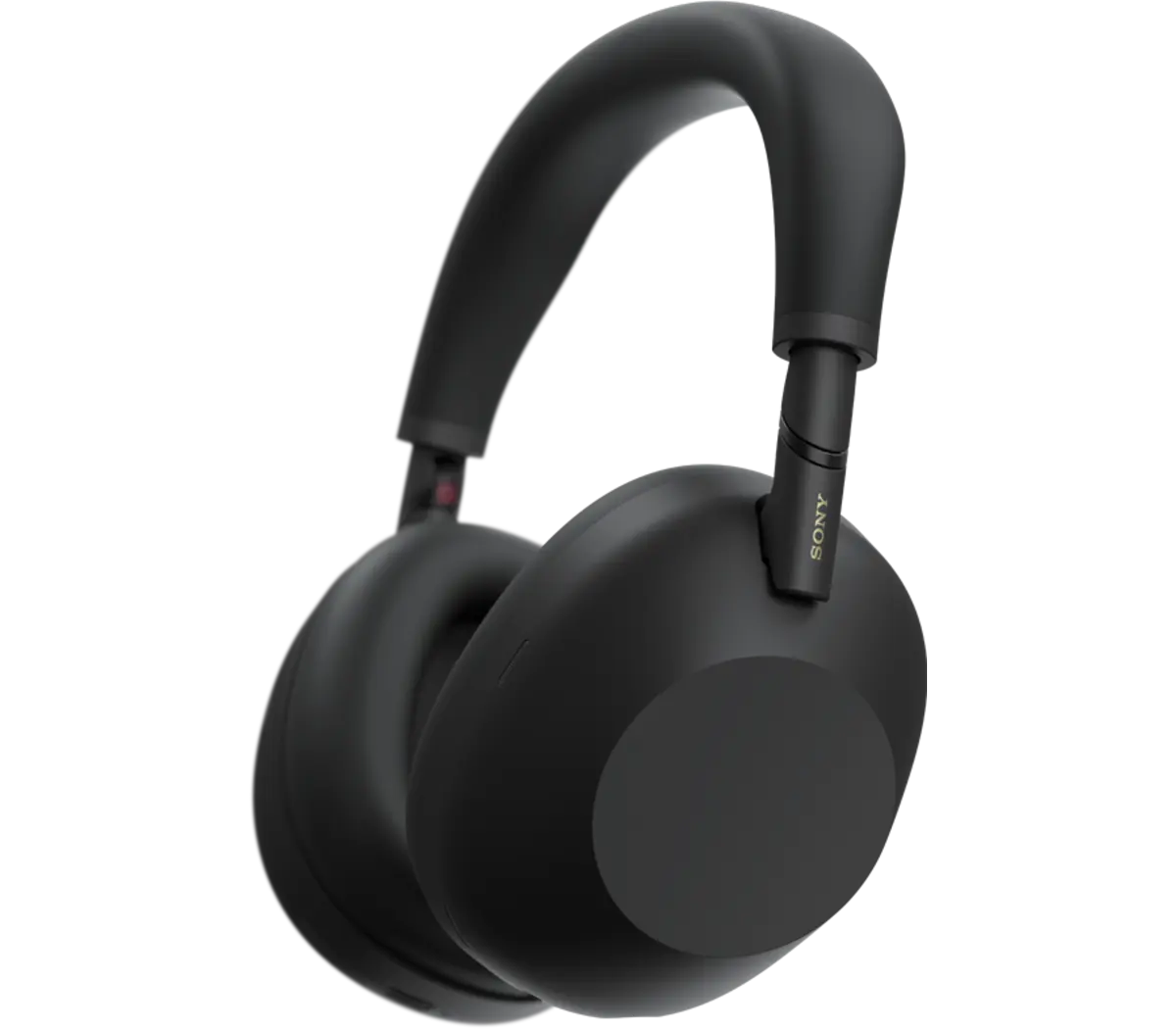
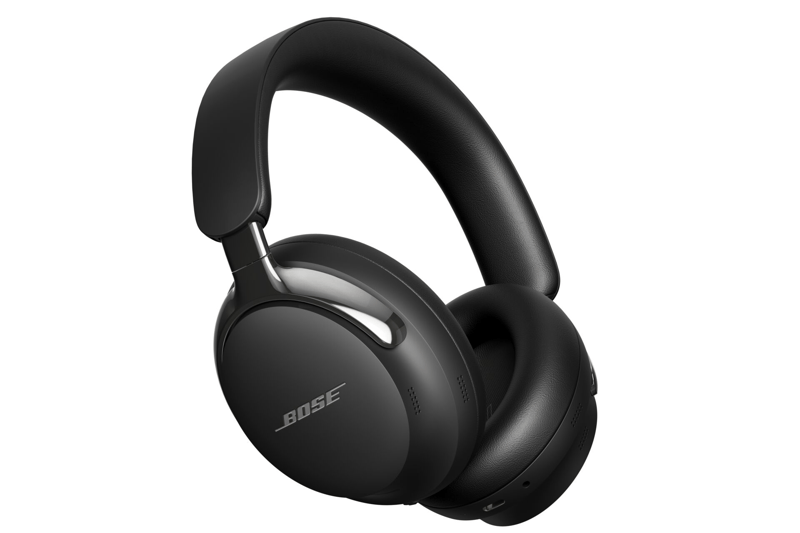
Sony XM6 vs Bose Ultra 2 at a glance
This page compares the current Sony WH-1000XM6 with the second-generation Bose QuietComfort Ultra Headphones. Bose still sells similarly named products, and Amazon listings can group colors or generations. Check the title, generation, model and seller before treating two buttons as equivalent offers.
| Decision | Sony WH-1000XM6 | Bose QC Ultra 2 | Buying consequence |
|---|---|---|---|
| Best reason to buy | Passive wired playback, LDAC/LC3, broader EQ and earcup controls, and a documented fast-charge path | USB-C digital audio, lower-clamp comfort for more listeners and an ANC-off battery advantage | Choose for the connection or fit difference you’ll use |
| Rated battery | Up to 30 hours with ANC; 40 hours without ANC | Up to 30 hours in Quiet mode; 45 hours without ANC; 23 hours with Immersive Audio | The normal ANC-on headline is a tie |
| Weight | 8.96 oz / about 254g | 0.583 lb / about 264g | The roughly 10g difference is smaller than the fit difference |
| Sound evidence | SoundGuys, What Hi-Fi and Tom's Guide lean Sony for tuning, clarity or customization | RTINGS measures both as warm, with Bose less bass-emphasized but more treble-recessed | Independent coverage leans Sony, but fit, EQ and taste still decide |
| Bluetooth | Bluetooth 5.3; SBC, AAC, LDAC and LC3 | Bluetooth 5.4; SBC, AAC and aptX Adaptive | Premium codecs require a compatible source device |
| Two-device multipoint | Yes; enabled through Sony's app | Yes; can stay connected to two devices | Both can cover a phone-and-laptop routine |
| USB-C audio | No; USB-C is for charging | Yes; 16-bit 44.1kHz or 48kHz digital audio and microphone support | Bose is the cleaner one-cable computer choice |
| Analog audio | Included 3.5mm cable; passive playback works with power off | Included 3.5-to-2.5mm cable; headphones must remain powered on | Sony is more useful if the battery dies |
| Controls | Physical power and noise-control buttons plus a right-earcup touch panel | Physical buttons plus a capacitive volume and shortcut strip | Pick the interface you can operate without looking |
| Published quick charge | Three minutes for up to three hours with 9V/2.3A-or-higher USB-PD power, a C-to-C cable, AAC, and DSEE Extreme/EQ off; adapter and cable aren’t included | Fifteen minutes for up to three hours | Sony publishes the faster emergency top-up under stricter test conditions |
| Main caution | No USB digital audio and touch controls aren’t for everyone | No passive dead-battery playback; aptX benefits need compatible hardware | Neither is a universal upgrade |
Comfort is a risk to manage, not a spec to crown
Sony weighs about 254g and Bose about 264g. Ten grams isn’t enough to predict which headband, clamp and earcup shape will remain comfortable after two hours. RTINGS says Bose fits comfortably for more people and produces more consistent results with glasses. What Hi-Fi also found Bose less clampy, while describing Sony as more secure. Those observations point in a direction; they don’t make Bose comfortable for every head.
Glasses can break the cushion seal and change bass and noise cancellation. Hair, jaw movement and head width can do the same. Try each model with the glasses you actually wear, move your jaw, and keep it on long enough for clamp pressure or a headband hot spot to appear. A five-minute store demo isn’t a long-session comfort test.
Both fold into travel cases. Sony's small weight advantage matters less than whether the cups clear your ears and whether the band stays comfortable. If neither fit is known, buy from a seller with a return path you understand.
ANC and call testing doesn’t produce one clean winner
The strongest responsible conclusion is that both deliver top-tier active noise cancellation. RTINGS' current comparison measured Sony slightly ahead while calling the result close. SoundGuys found no meaningful overall advantage. What Hi-Fi favored Bose for maximum blocking. Different fixtures, fit, firmware and noise spectra can all change a close result.
Call quality is similarly close. RTINGS gives Sony a small edge. SoundGuys publishes matched samples, and its listener poll favored Bose when checked August 2, 2026. Those conflicting methods don’t establish a universal winner. If noisy calls are the main reason to spend this much, listen to current microphone samples and test the exact laptop or phone app you use. A headset can sound good in a quiet room and still struggle with wind, traffic or keyboard noise.
A better ANC test
- Wear your normal glasses and adjust the headband before comparing.
- Test low engine rumble, voices and sharp office sounds separately.
- Keep playback volume matched so louder audio doesn’t masquerade as better ANC.
- Repeat after moving your jaw or breaking and restoring the earcup seal.
Which sounds better? Independent reviewers lean Sony
This is a spec-based guide, so Gearsentials isn’t presenting a personal listening verdict. The current outside evidence nevertheless has a useful pattern. What Hi-Fi favors Sony for clarity, dynamics, precision and a more natural presentation. SoundGuys expects Sony's tuning to suit more listeners, and Tom's Guide ultimately favors Sony's sound and customization after a long comparison.
RTINGS measures both as warm, with Sony more emphasized in the bass and Bose more recessed in the treble. That doesn’t contradict a preference; it explains why a single "better sound" verdict can’t predict every listener. Fit, seal, hearing, volume, music, codec and EQ can change the result.
If you can’t audition both, the independent lean gives Sony a real default advantage. Choose Bose anyway when its fit, USB-C path or live discount solves a more important problem than the tuning difference.
The connection path is the most useful difference
Bose wins the one-cable laptop job
Bose supports 16-bit digital USB audio at 44.1kHz or 48kHz. Its current software can carry playback and microphone audio, which avoids the common Bluetooth compromise where enabling a headset microphone changes audio quality or latency. That makes Bose the cleaner desk, meeting and casual PC-gaming choice when the computer recognizes it as USB audio. Don’t infer support for a game console that Bose doesn’t list.
Sony's USB-C port is for charging, not digital audio. Sony can continue Bluetooth playback while charging, but that isn’t the same as a wired USB audio interface. Use Bluetooth or the 3.5mm cable for Sony audio.
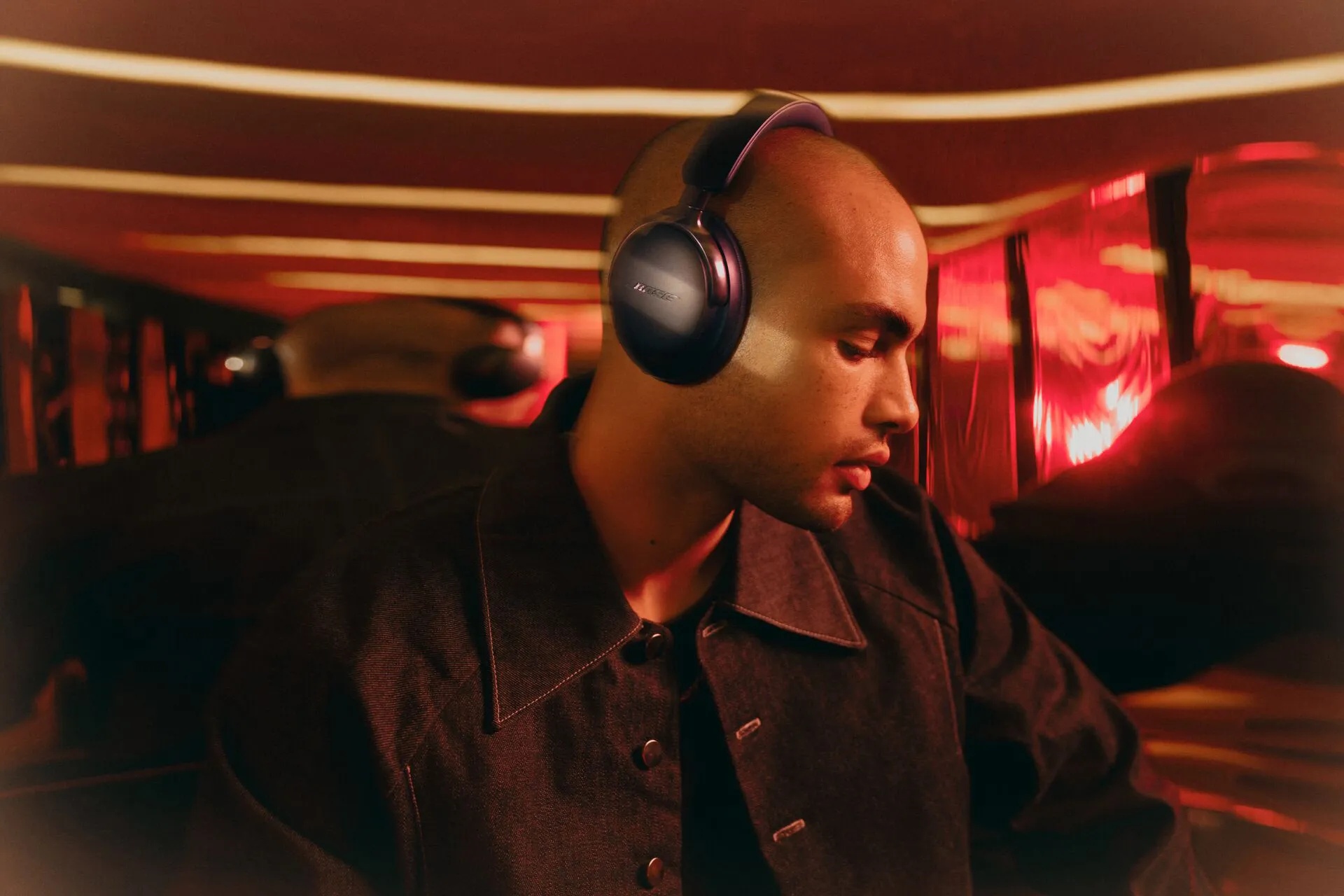
Bose QuietComfort Ultra 2 exact offer
Paid links. Gearsentials may earn a commission from purchases.
Black second-generation listing checked August 2, 2026. Reconfirm the generation, New condition, seller and shipper.
Best for: USB-C playback and microphone use, long sessions, glasses, and listeners who prefer the Bose control layout. Skip if: You require passive dead-battery audio or your phone can’t use the codec path you expect.
Sony wins the dead-battery cable fallback
Sony can play passively through its included 3.5mm cable while powered off. You lose ANC and powered signal processing, but audio doesn’t disappear with the battery. Bose includes a 3.5-to-2.5mm analog cable, yet Bose's official support documentation requires the headphones to remain powered on and disables headphone controls in that mode.
For an airplane seat, studio interface or old game controller, trace the whole path: connector size, microphone requirement, adapter, battery state and whether you need ANC. "Includes an audio cable" doesn’t mean the two headphones behave the same way.
Codec badges matter only when the source supports them
Sony lists SBC, AAC, LDAC and LC3. Bose lists SBC, AAC and aptX Adaptive. Bose's higher-end aptX path requires a compatible Snapdragon Sound-certified device; it isn’t universal lossless Bluetooth. LDAC and LC3 also depend on the phone, computer, operating system and selected settings.
Verify the exact source device before paying for a badge. If both of your daily devices fall back to AAC or SBC, comfort, connection stability, USB audio and app control matter more than a codec that never activates.
Sony WH-1000XM6 exact offer
Paid links. Gearsentials may earn a commission from purchases.
Black WH-1000XM6 listing checked August 2, 2026. Reconfirm New condition, seller and shipper.
Best for: Passive wired backup, a verified LDAC or LC3 device, broader EQ and earcup controls, and compatible USB-PD emergency charging. Skip if: You need digital USB-C audio or already know Sony's touch-and-clamp fit is wrong for you.
Manufacturer ANC ratings tie; one rundown favors Sony
Sony and Bose both publish up to 30 hours in their normal noise-canceling modes. Bose publishes up to 45 hours with ANC off, compared with Sony's 40 hours. Bose Immersive Audio moves its published ceiling down to 23 hours. Compare the mode you’ll use, not the largest number in either marketing box.
In its standardized ANC rundown, SoundGuys measured 37 hours 14 minutes for Sony and 27 hours 12 minutes for Bose. That’s useful evidence from one repeatable protocol, not a guarantee for every listener or proof that every lab will rank the battery the same way.
Sony's detailed documentation also shows that codec and feature choices can change runtime. The same is true for volume, calls, temperature, device distance and battery age. Treat manufacturer figures as controlled-test ceilings and comparison anchors, not a promise for every trip.
Sony publishes up to three hours from a three-minute charge with a 9V/2.3A-or-higher USB-PD adapter, USB-C-to-C cable, AAC, and DSEE Extreme and EQ off. The required adapter and cable aren’t included. Bose publishes up to three hours from a 15-minute charge in both its current product page and owner guide. Treat both results as controlled ceilings: charge before travel and carry the right cable.
Controls and apps reward different habits
Sony combines physical power and noise-control buttons with a right-earcup touch panel for playback, track changes, volume, calls and Quick Attention. Bose uses physical buttons plus a capacitive strip for volume and a shortcut. Neither interface is automatically better. Gloves, hair, accidental touches and muscle memory can matter more than the number of commands.
Sony's app exposes broader EQ and control options, which helps buyers who will tune the headphone. Bose's value is less about winning a settings count and more about its specific connection and fit advantages. If you leave every app on its default screen, don’t pay extra for a feature list you won’t use.
Match the headphone to the source device
The label on the phone or computer is less useful than the connection it can make. Use this matrix to eliminate codec and cable advantages your setup can’t activate.
| Source or job | Starting choice | Verify before buying |
|---|---|---|
| Laptop or desktop USB audio and microphone | Bose | A data-capable USB-C path, current firmware, and app compatibility |
| Airplane screen or dead-battery 3.5mm fallback | Sony | The seat connector, adapter, cable reach, and whether ANC is needed |
| LDAC-capable Android phone | Sony | The exact phone supports LDAC and the codec is enabled |
| Snapdragon Sound phone | Bose | The exact device is certified for the aptX Adaptive path you expect |
| Source limited to AAC or SBC | Fit decides | Neither gets its premium-codec advantage; compare USB, analog, controls, ANC and comfort |
Skip both for workouts and wet conditions
These are premium travel and everyday headphones, not a reason to ignore sweat, rain or charging safety. Sony explicitly warns that the XM6 isn’t waterproof. Choose purpose-built workout headphones when moisture resistance, stability and easy cleaning are central to the job.
Keep your current headphones if the upgrade reason is vague
Don’t replace a comfortable headset with reliable ANC, calls and battery merely because the new models trade small wins in independent tests. Upgrade when USB audio, passive wired playback, fit, a supported codec, battery mode or controls fix a problem you can name.
The final recommendation
The Sony WH-1000XM6 is the more flexible all-around purchase for a buyer who values passive wired playback, codec choice, customization and emergency charging. The Bose QuietComfort Ultra 2 is the more targeted recommendation for a laptop-first buyer or anyone whose long-session comfort test favors Bose.
If the live offers are close, Sony is the more flexible default and the model current sound coverage more often favors. Choose Bose when USB-C audio, its fit, or a meaningful live discount outweighs Sony's wired, codec and tuning advantages. That's why both exact offers are worth checking before deciding. At this price, your head gets the final vote.
Fit can reverse either recommendation. Try the headphones with your glasses, verify the source-device connection you intend to use, and buy the exact generation from a seller and shipper you recognize.
Choose the exact headphones
Paid links. Gearsentials may earn a commission from purchases.
Exact black US listings checked August 2, 2026. Reconfirm the model, generation, condition, seller and shipper at checkout.
Best for: Sony for connection flexibility; Bose for USB-C computer audio and the comfort-led decision. Skip if: You can’t verify fit or can’t name the problem the upgrade will solve.
FAQ
Are Sony WH-1000XM6 better than Bose QuietComfort Ultra 2 headphones?
Not for every buyer. Sony is the stronger fit for passive wired playback, LDAC or LC3 support, deeper control and a clearly documented fast top-up. Bose is the stronger fit for USB-C computer audio and listeners who find its lower-clamp design more comfortable. Independent ANC and call tests don’t agree on one universal winner.
Which has better noise cancellation, Sony XM6 or Bose Ultra 2?
Both are top-tier, and current independent tests disagree. RTINGS measured a small Sony advantage, SoundGuys found no meaningful overall difference, and What Hi-Fi favored Bose for maximum blocking. Fit, glasses, seal, noise spectrum and test method can change the result.
Which sounds better, Sony XM6 or Bose Ultra 2?
Current independent coverage generally leans Sony, but for different reasons: What Hi-Fi praises its clarity, dynamics and more natural presentation; SoundGuys expects its tuning to suit more listeners; and Tom's Guide favors Sony's sound and customization after a long comparison. RTINGS measures both as warm. Treat that pattern as a useful lean, not a substitute for your fit, hearing, music and EQ preference.
Which is better for calls, Sony XM6 or Bose Ultra 2?
There’s no clean universal winner. RTINGS measured a small Sony advantage. SoundGuys publishes matched samples, and its listener poll favored Bose when checked August 2, 2026. The conflicting methods make your phone, meeting app, room, wind and background noise the better final test.
Can the Sony WH-1000XM6 play audio over USB-C?
No. Sony's USB-C port is for charging, although Bluetooth listening while charging is supported. Use Bluetooth or the included 3.5mm analog cable for audio.
Can Bose QuietComfort Ultra 2 play audio over USB-C?
Yes. Bose supports 16-bit digital USB audio at 44.1kHz or 48kHz, and its current software supports two-way audio for playback and the microphone. That’s useful for a laptop desk, calls and games where Bluetooth latency or microphone switching is a problem.
Do both headphones work when the battery is dead?
No. Sony supports passive playback through its included 3.5mm cable when powered off, without ANC or powered processing. Bose's included analog cable requires the headphones to remain powered on, and its headphone controls are disabled in that mode.
Which lasts longer with noise cancellation on?
Sony and Bose both publish an up-to-30-hour ceiling for their normal ANC-on modes. In one standardized ANC rundown, SoundGuys measured 37 hours 14 minutes for Sony and 27 hours 12 minutes for Bose. That’s one protocol, not a universal result. Bose publishes up to 45 hours with ANC off versus Sony's 40 hours, while Bose Immersive Audio lowers its published ceiling to 23 hours.
Sources
- Sony WH-1000XM6 specifications
- Sony WH-1000XM6 product page and quick-charge test conditions
- Sony analog audio operation
- Sony charging behavior
- Sony WH-1000XM6 controls
- Sony two-device multipoint instructions
- Bose QuietComfort Ultra Headphones (2nd Gen) specifications
- Bose second-generation launch release and press images
- Bose AUX power and two-way USB audio support
- Bose QuietComfort Ultra 2 owner guide
- RTINGS Sony XM6 and Bose Ultra 2 comparison
- SoundGuys Sony XM6 and Bose Ultra 2 comparison
- What Hi-Fi Sony XM6 and Bose Ultra 2 comparison
- Tom's Guide six-month Sony XM6 and Bose Ultra 2 comparison